Having worked at a company or two (ok, IBM, Lenovo, Nutanix), I’ve seen behind the curtains as to what a lot of companies are using to power their end-to-end social media technology stacks.
There’s a myriad of things out there, with different features, functions and capabilities. It’s a bit of a morass, and the only way to “get to the bottom of things” is to schedule webinar demos, etc. A lot of these platforms require you to go through hoops to get your actual hands on the technology; you usually need to sign on the dotted line first.
So it’s very easy to get roped into something… not great.
There is a lot of smoke and mirrors out there. A lot of “snake oil” if you will.
So let’s go behind the curtain, shall we? I’ll share what I’ve found as an enterprise B2B social media lead.
Note: this is aN UNSPONSORED review of publishing/reporting platforms; NOT social listening tools. If there’s interest, I’ll follow up with a separate social analytics/listening tool review.
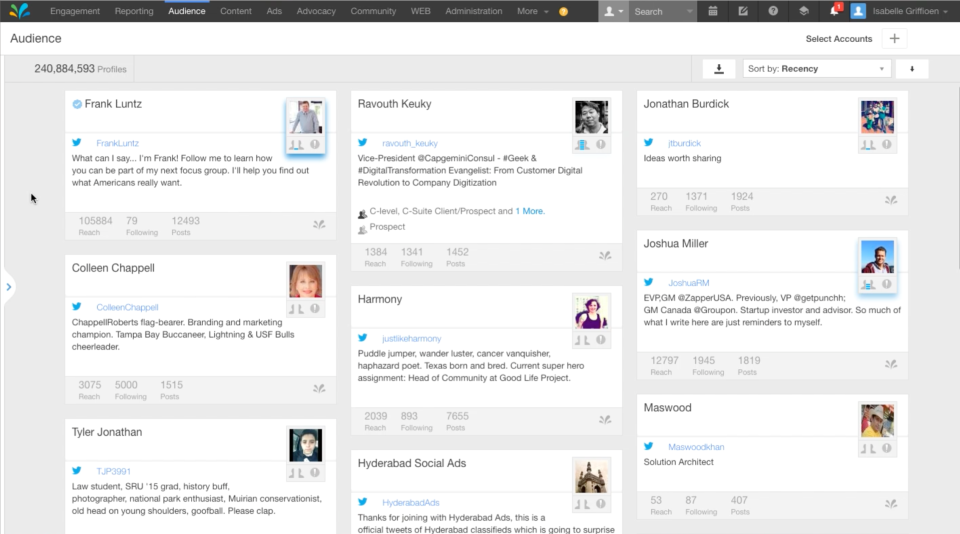
This is the enterprise “gold standard.” Developed by some former Cisco-ers — it’s pretty much what all the top enterprises use.
And I hate it.
Cons: It’s convoluted, slow, lethargic. It doesn’t have a great mobile app (two years ago, the darn thing barely functioned — that was enough for me). And it’s not friendly to cross-publishing. Requires an entire fleet of people to manage the darn thing. And a pretty hefty services agreement. And it’s expensive. How expensive? For one license, the base software was clocking near $100k. For even a mid-sized “enterprise” — you are looking at 10-15 licenses. Cha. Ching.
Pros: Best support for worldwide social platforms (think: Asia). Established relationships with the third party social media companies (Twitter, et al). If you work for a enterprise, being Sprinklr savvy will make you look smart — and be billable.
Best for: Large, bureaucratic organizations who don’t like to stay agile.
Total Score: 2/10 upvotes
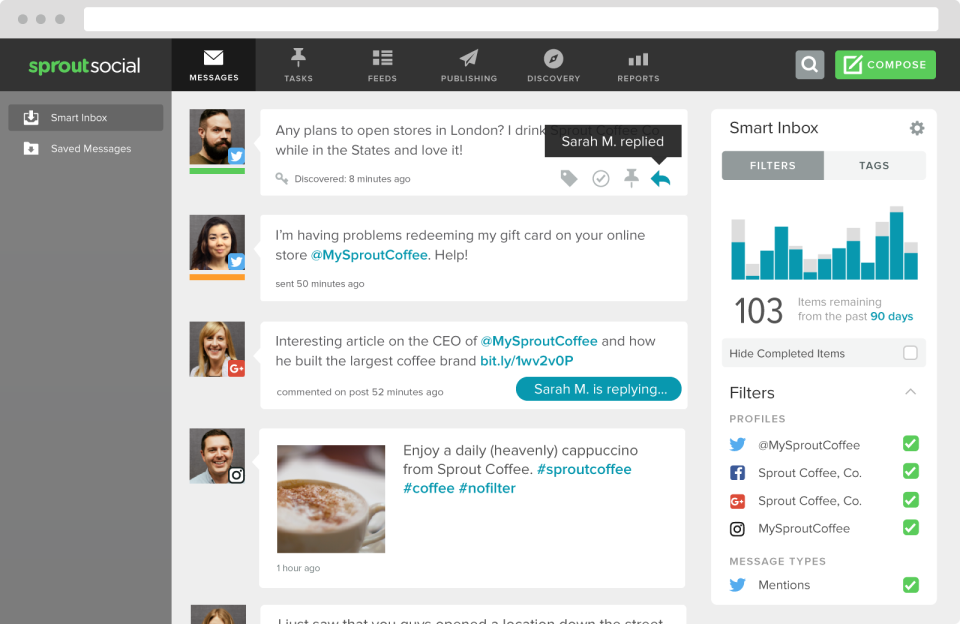
This is a pretty robust platform geared at mid-sized businesses, but they’re slowly incorporating features to make them more enterprise friendly.
Pros: Easy to use, friendly UI, great app, great entry point (basic “corporate” entry license is $250.00). Response teams. Easy setup for keyword alerts, especially on a mobile. Easy to sync up comms and publishingacross platforms.
Cons: You will definitely hit some snafus on the way. For example: Instagram’s API is ridiculously volatile and constantly being updated, so you’ll get some publishing issues, so they don’t always “keep up.” It’s also hard to get performance metrics around videos at the moment.
Best for: Startups making the transition into “big boy” (or girl) enterprise companies, or mid-level corporations. This is a software that will grow with you.
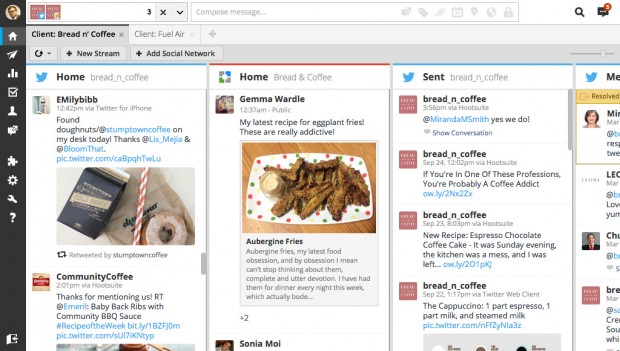
Full disclosure, I haven’t used this one in 5+ years. While the “OG” of enterprise social media platforms, it’s definitely dated. Their website looks sharp; their software does not.
Pros: Easy-to-use, affordable.
Cons: Not the best UI. And, if you do a recent reddit search, lots of user issues, posts not going through, etc.
Best for: Individuals and small businesses. This is a software that started out as individual-friendly, but didn’t really “jump forward” into the modern era.
Total Score: 4/10 upvotes
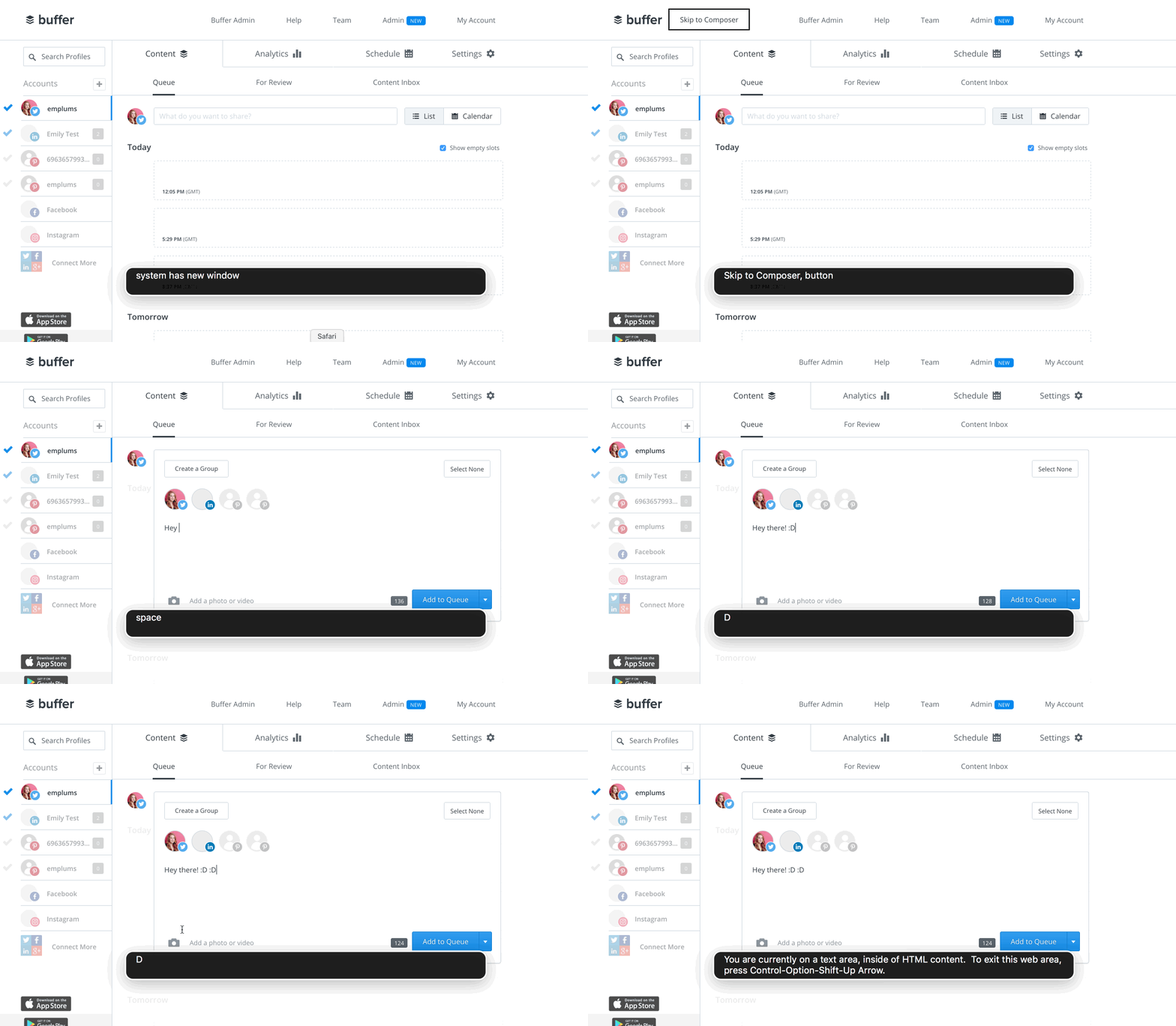
This guy is simple, and free.
Pros: Free.
Cons: It’s the pumpkin spiced latte of social media platforms. Your “basic b*tch, if you will.
Best for: individuals.
Total Score: 3/10 upvotes
 erinmonday.org